
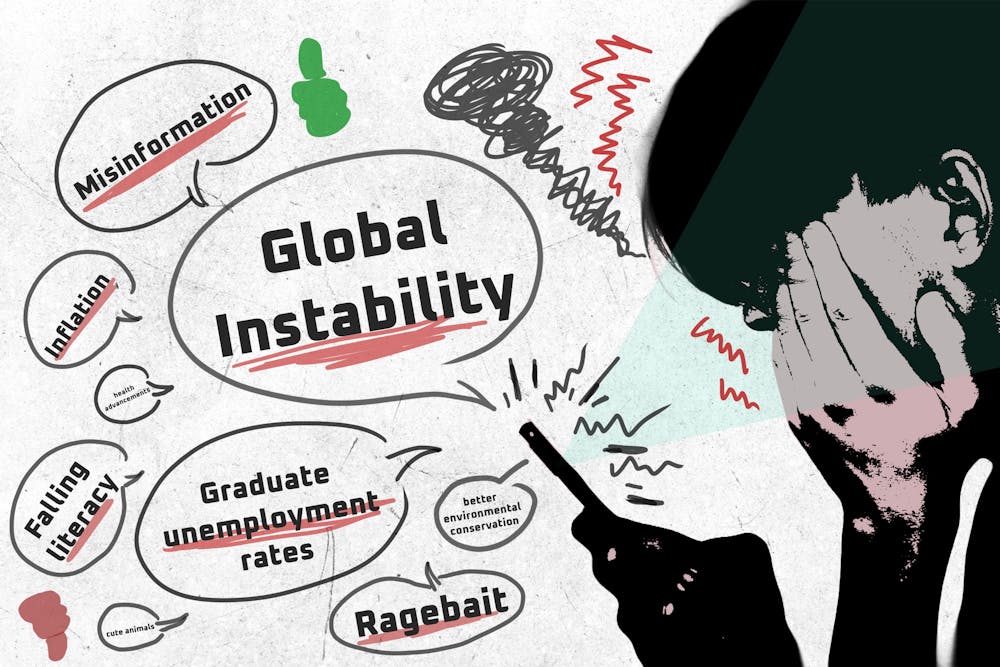
Although many students enjoy the social media app Yik Yak, some might believe it is harmful to the student body since the anonymous aspect of it makes it easier to bully others and spread rumors.
Yik Yak is a social media app in which users can anonymously post about anything for their local community to read. Users can then upvote or downvote posts and comment on them. Many university related topics are constantly being posted, making the app very popular among USC students.
In 2017, Yik Yak was shut down from a severe decline in users due to rampant hate speech and cyberbullying. In 2021, the owners decided to bring back Yik Yak, taking a stronger stance against abuse. The owners claimed that this redeveloped app would be "the same Yik Yak experience millions knew and loved." The experience many users had in the past was based around hate and negativity, causing them to delete the app. So why would people want to relive this experience?
First-year students Hannah Mazzocchi and Rachael Vavricka both said that they used Yik Yak the most during their first semester at the University of South Carolina. They said this is because they just got to Columbia and wanted to learn more about the community, but also because it was football season and formal recruitment for sororities.
These are both big events for USC students so it makes sense that people have a lot to say about them. Mazzocchi gave an example of how people would constantly post on Yik Yak making fun of USC football head coach Shane Beamer.
Many freshmen such as Mazzocchi use Yik Yak to learn more about USC, but they could be more impressionable than upperclassmen and know more from experience. The negativity on Yik Yak could be one of the first things freshman students learn about the school, possibly giving USC a bad reputation.
Mazzocchi said that she sees a lot of negativity on YikYak, especially towards the football team. She remembered reading posts about people making fun of the football team and Shane Beamer.
The fact that these hateful remarks were the first things that Mazzocchi could recall seeing on Yik Yak shows that the platform truly contributes to online toxicity.
Many freshmen use Yik Yak to learn more about each sorority if they don’t know anything about them. Although this might seem helpful, many comments about each sorority are negative, which might deter new members from joining. Furthermore, many active members use Yik Yak to see what others are saying about their sorority, so it might be upsetting for them to see pessimistic posts about something that they feel so passionate about.
Sorority rush should be something that is personal and unique to each individual. Potential new members should choose their home based on where they feel the most comfortable, which is why they are encouraged to not discuss their experience with anyone else so that their decision isn't influenced. Many of the posts on Yik Yak during this time could corrupt potential new members' decisions, as people post their personal rankings and rumors on the sororities. This personal decision becomes riddled with discouragement from strangers behind a screen.
Since posting is completely anonymous, it is easy for people to spread negativity and taunt others. People might not feel as responsible for their messages, even though the effects of the message are the same.
According to Mazzocchi, some people may use YikYak to ask for recommendations on where to go for big-little dates, which are when a new member and existing member go on a date to see if they want to be in each other's sorority family.
Despite the fact that anonymously posting can help shy students ask questions or ask for advice confidently, this does not justify a platform that enables hostility.
Anonymously posting also allows for rumors to be spread easier, since, as previously stated, people don’t feel as much of a responsibility for being wrong. This can be seen through the false-alarm shooting that happened on Columbia’s campus during the 2025 fall semester.
Many rumors were being spread through Yik Yak during the shooting, but a notable one involved a student carrying an umbrella across a pedestrian bridge toward Campus Village. Some believed that this man was the shooter, causing many students to panic. This rumor could have caused real danger to the community, since law enforcement could have taken this information seriously, or someone could have attacked this bystander assuming they had a firearm.
Rumors already spread quickly and easily through other forms of social media, but when they can be posted anonymously, accountability is eliminated, and the truth becomes optional.
“I would lean maybe more towards harmful," second-year student Maddy Smojice said when asked about Yik Yak. "I feel like it has a lot of negative comments.”
Clearly, Yik Yak does more harm than good to the USC community.
While some think that Yik Yak brings the community together, others don’t agree, since posts are often just personal opinions and thoughts. Some say that when it does bond USC’s community, it is done through negative commentary. For example, even though the posts about Beamer were negative, many students agreed with the posts, creating a community around these shared hateful thoughts.
Online harassment is already a huge issue today with the constant increase in social media's popularity. Yik Yak is a major source of online bullying, which is rarely worth the amusement, since people's mental health should come first.
In theory, Yik Yak could be a great way for students to ask questions and get others' advice, especially for freshmen who don’t know much about the school. In reality, many use it as a way to be a bully without the backlash.