
South Carolina is fat. It ranks among the most obese states in America, with an adult obesity rate of 36% as of 2023. What’s even more alarming is that nearly 40% of South Carolina public school students are considered overweight or obese. This disease not only affects adults who can understand the consequences of an obese lifestyle, but also children who are particularly susceptible to lifelong impacts from childhood obesity.
Clearly, something needs to be done. Obesity is a chronic disease, and according to the Centers for Disease Control and Prevention, obesity in adulthood increases the risk for a multitude of issues, such as heart disease, stroke, cancer, depression, respiratory issues and even death. Obesity is responsible for the death of approximately 300,000 Americans yearly.
Not only does obesity affect those with the disease, but it also places a major burden on the already strained American healthcare system. It costs nearly $173 billion yearly to treat preventable conditions caused by obesity, while raising healthcare costs for everyone. However, placing the blame solely on individuals ignores much larger issues, such as education and, more importantly, access.
Income dictates diet
In South Carolina, obesity disproportionately affects low-income communities. According to the CHOICES Project in 2020, the adult obesity rates of South Carolina residents making less than $20,000 per year was 52.8%, while the same residents who were making $50,000 per year or more saw a 42.6% obesity rate.
This disparity between obesity rates is not simply a matter of personal choice, but rather it is directly correlated with income bracket. Higher-income households and communities have a larger budget for healthy, whole foods, while lower-income households and communities experience the opposite.
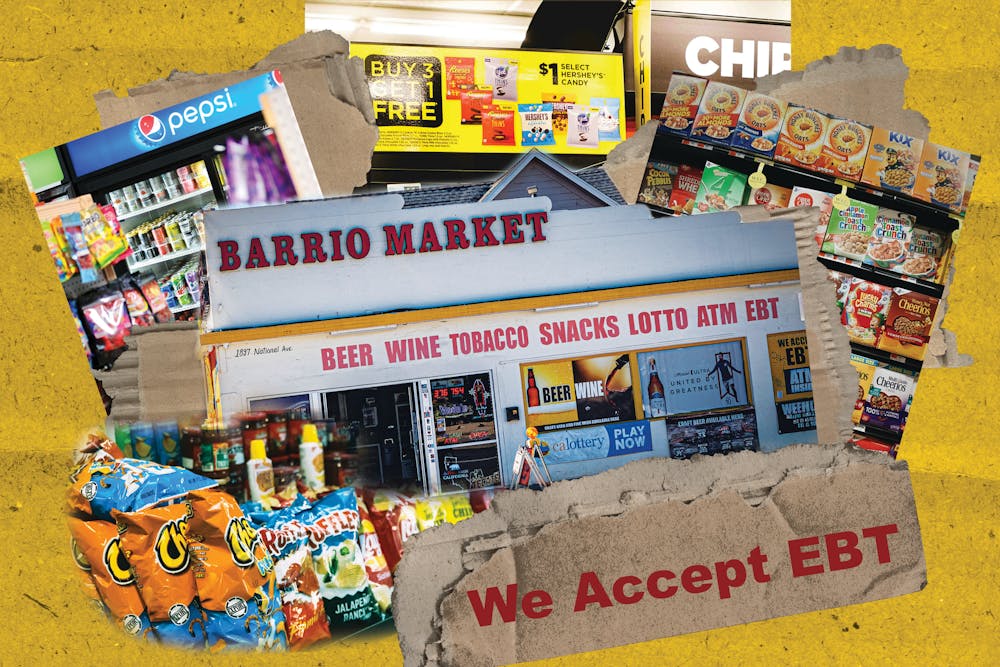
Many of these lower-income communities rely on the Supplemental Nutrition Assistance Program, or SNAP, which is a benefits program that allows lower-income households to afford food through an Electronic Benefits Transfer, or EBT, card, which is similar to a debit card. The EBT card for SNAP can only be used at authorized retail stores to purchase food, making those stores a lifeline for families who would struggle otherwise.
SNAP and the Healthy Food Choice Project
South Carolina has begun to focus on what SNAP recipients are buying rather than where they are buying it and what food options those stores are offering. Starting Aug. 31, 2026, South Carolina will launch an SC Healthy Food Choice Project for households receiving EBT benefits. The program has been approved by the Food and Nutrition Service at the U.S. Department of Agriculture and was requested by Gov. Henry McMaster seeking to exclude candy, energy drinks, soft drinks and sweetened beverages from the eligible foods under SNAP.
On paper, this sounds like an excellent idea. Limiting objectively unhealthy options should, in theory, increase the amount of healthy foods purchased. However, this project fails to address the deeper issue driving the rise in obesity across the United States and South Carolina in lower-income populations — food deserts.
A food desert is a term used to describe regions where access to healthy, affordable and nutritious food is limited or nonexistent. These areas mostly have gas stations and convenience stores, outnumbering grocery stores, making healthy options limited and more expensive. This pushes people to purchase less healthy options, such as pre-prepared frozen meals.
EBT users can go to these stores and purchase frozen meals that are ready for consumption after heating them up and then eating them at home. These frozen meals tend to be highly processed and unhealthy options when compared to whole foods.
Even when healthier foods are available in stores, they can cost much more than less healthy options. Research consistently shows that diets rich in fruits, veggies, lean proteins and other nutrient-rich foods often cost more than less nutritious, caloric diets. Some studies suggest that healthier food can cost about $1.50 more per person per day on average.
This can add up quickly, especially for families attempting to stretch their SNAP benefits. For many, the cheaper option tends to be the only option to survive, not the first choice. Removing certain unhealthy items from SNAP without addressing the heightened cost of whole foods will do little to change dietary habits.
Americans are nutritionally illiterate
Further research by the Cleveland Clinic found that nearly half of Americans say the cost of healthy food is their biggest barrier to eating healthy, causing many lower-income Americans to turn to cheaper packaged and frozen foods. This is because fresh produce and whole foods are more expensive and out of their budget. The Cleveland Clinic also found that “One in 10 Americans think a fast-food diet is heart healthy.” Not only do many Americans think healthy food is too expensive, but they also lack significant education in nutrition.
The drastic lack of nutritional education in America likely stems from limited to no education in nutritional sciences growing up. The CDC suggests that students need between 40 and 50 hours of instruction to change behavior. While stating, "U.S. students receive less than 8 hours of required nutrition education each school year." The lack in instructional hours doesn't aid in students changing their lifestyle at all. Rather, it teaches them that sugar is bad and vegetables are good — fundamental knowledge that a majority of Americans likely already know.
This creates a major disconnect between policy and reality. Lawmakers may remove soda and sugary foods from the list of eligible purchases, but if families are trapped in food deserts, they still lack healthy options and are now left with fewer options than before.
Federal push for change
At the national level, the idea of solving obesity is gaining momentum. United States Health and Human Services Secretary Robert F. Kennedy Jr. and Agriculture Secretary Brooke Rollins have proposed changes to SNAP, focusing on more requirements for retailers while putting an emphasis on providing healthier food options in an effort to combat chronic disease and improve national nutrition.
These proposals would expand the range of foods that retailers must stock to still accept SNAP benefits and EBT. The requirement would increase from three to seven varieties in each of the four staple food categories: fruits or vegetables, meats, dairy products and bread or cereals. This would lead to more healthy and fresh foods being stocked in stores.
Unlike restrictions, these retail-focused policies aim to address the root of the obesity problem. If stores in low-income areas and food deserts are required to carry healthy options, access to healthy foods in those communities would increase, and obesity would slowly decrease, assuming communities were educated and whole foods were priced appropriately.
These proposed changes represent a step in the right direction. Encouraging or requiring retailers to provide healthier options can create long-term change. It recognizes that to improve public health, it’s not just about limiting unhealthy options, but rather increasing the number of healthy options available.
However, this must be implemented carefully. Simply requiring stores to stock healthy options does not guarantee that it will be affordable or that SNAP recipients will shift their habits and purchase healthy options. It also does not prevent retailers who think that adhering to the proposed requirements would be too expensive from dropping EBT as a whole. Especially smaller mom and pop corner stores, which may not be able to handle the logistical issues brought about by the abrupt change. This is the worst-case scenario and would further fuel the food desert fire.
Holistic path forward
If policymakers truly want to reduce obesity in South Carolina, they must take a more holistic approach. They must invest in food infrastructure in underserved areas, increase education and support local farmers.
South Carolina could expand farm-to-school programs, encouraging schools to purchase fresh produce directly from local farmers. This would create a stable market for local farmers while also providing healthy, fresh food to children in schools across the state, regardless of income, increasing the whole food access to children in food deserts.
They could also implement and expand programs to aid in making healthier foods available for SNAP recipients while pushing food education in public schools for students and parents. The increased education, coupled with children experiencing the endless possibility of meal combos shown through their cafeteria meals, will reinforce good habits, making future generations understand the importance of eating healthy and how harmful obesity is.
Ultimately, obesity in South Carolina is not just an issue on the personal level. It is an issue at the community level. While restricting SNAP purchases may appear to be a quick fix, it does little to solve the underlying issues driving the increase in obesity in the state. To make real progress, South Carolina will need policies that address both access and affordability, ensuring that all South Carolinians, regardless of income, will have the opportunity to choose to eat healthy food.
If you are interested in commenting on this article, please send a guest column to sagckopinion@mailbox.sc.edu.